
One Team. Every Phase. Finished Right.
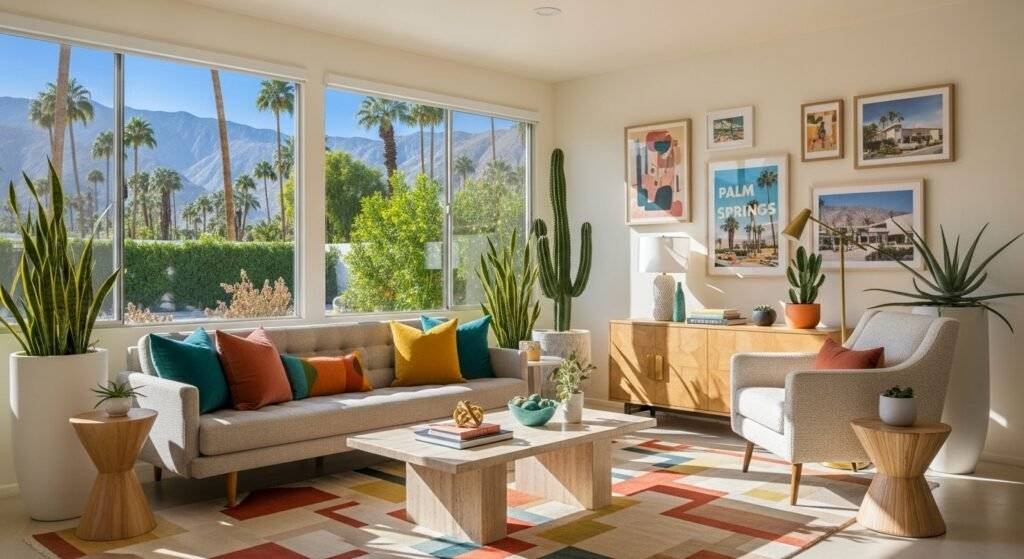
Home renovation in Palm Springs works best when design and construction are handled as one continuous process. Separating them creates handoff problems, misaligned expectations, and budget surprises that surface only after work is underway. Palm Springs interior design at a serious level demands both creative fluency and technical execution from the same team.
The Complete Remodeling Process
Consultation
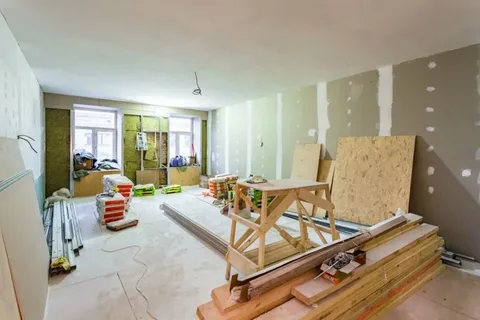
Every project begins with a thorough site assessment and goal-setting conversation. This is where scope, timeline, and priorities are aligned before a single drawing is made. A proper consultation surfaces constraints early, when addressing them is inexpensive.
Design Planning
Palm Springs exterior design services and interior design development happen in parallel. Space planning, material selection, and finish schedules are resolved during this phase. The result is a complete set of construction documents that eliminates ambiguity on the job site.
Construction
With approved plans and permits in hand, construction proceeds against a documented schedule. Regular client communication and site supervision are standard practice, not optional add-ons. Quality control at each phase prevents issues from compounding into the next.
Final Walkthrough
A structured punch list process closes every project. Items are documented, assigned, and completed before final payment is released. This protects both the client and the contractor and ensures the finished home meets the agreed standard.
Popular Remodeling Projects in Palm Springs
Kitchen Upgrades
Kitchen renovations remain among the most requested projects in the valley. Custom cabinetry, stone countertops, and professional-grade appliance packages are the expectation at the premium level. Layout changes that improve workflow are as important as the finish selections.
Bathroom Renovations
Primary bathroom renovations in Palm Springs homes frequently involve expanding the footprint, adding steam showers, soaking tubs, and heated flooring. Material selection matters particularly here. Porcelain, natural stone, and aged brass or matte black fixtures speak to the regional aesthetic without resorting to trend-chasing.
Room Additions
Adding square footage through a guest suite, home office, or casita requires structural engineering, permitting, and careful integration with the existing structure’s systems. Done well, an addition is indistinguishable from the original construction.
Choosing the Right Materials
Flooring
Large-format tile in 24×24 or 24×48 formats works well across desert homes. It handles thermal movement, resists moisture, and maintains scale with contemporary open plans. Engineered hardwood offers warmth in areas away from direct water exposure.
Countertops
Quartzite and sintered stone surfaces have largely replaced marble in high-use kitchen applications due to durability. For bathrooms and lower-traffic surfaces, marble and limestone remain compelling choices. Edge profiles and thickness contribute meaningfully to the overall design register.
Cabinet Finishes
Flat-front cabinetry in matte lacquer, natural wood veneer, or textured laminates defines the contemporary Palm Springs kitchen. Hardware selection either reinforces or undermines the cabinet’s design intent. Integrated appliances and handle-free opening systems create the cleaner reading preferred in desert modernism.
Remodeling for Energy Efficiency
Insulation Upgrades
Improving wall and attic insulation significantly reduces cooling costs in desert climates. Spray foam insulation eliminates air infiltration at penetrations that batt insulation cannot address. The payback period on insulation upgrades is measurable and relatively short.
Energy-Efficient Windows
Replacing single-pane windows with dual-pane low-E units changes how a home performs fundamentally. Exterior construction Palm Springs projects that include window replacement see immediate improvements in comfort and utility costs. Window-to-wall ratios should be reviewed as part of this assessment.
Smart Thermostats and Controls
Integrated building controls allow homeowners to manage HVAC, lighting, and shading from a single system. In Palm Springs, where seasonal occupancy patterns vary widely, programmable and remote-accessible systems pay for themselves quickly.
Remodeling for Property Value
Projects with the Highest ROI
Kitchen renovations, primary bath upgrades, and outdoor living additions consistently return the highest value in the Palm Springs market. Projects that align with buyer expectations for the neighborhood perform best. Over-improving a property relative to comparable homes on the street does not maximize return.
Improvements Buyers Prefer
Updated mechanical systems, newer roofing, and clean interior finishes reduce buyer hesitation. Palm Springs exterior design that photographs well matters in a market where properties are first encountered online. First impressions are formed before a showing is even scheduled.
Design Trends in Palm Springs Homes
Neutral and Earthy Palettes
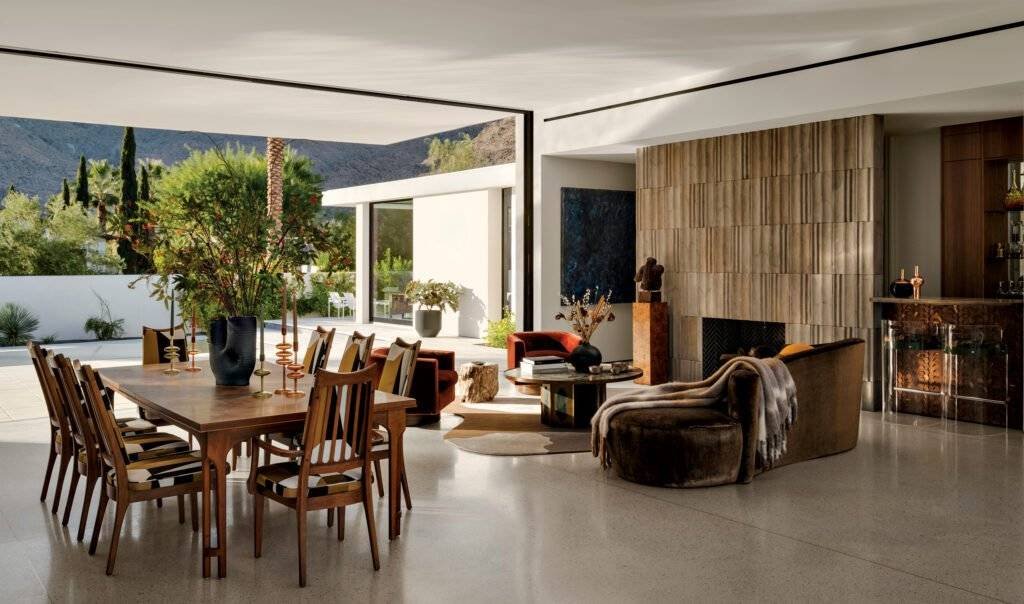
Warm whites, sand tones, terracotta, and warm grays dominate current interior selections across the valley. These palettes respond well to desert light and read consistently across seasons and times of day.
Indoor-Outdoor Living
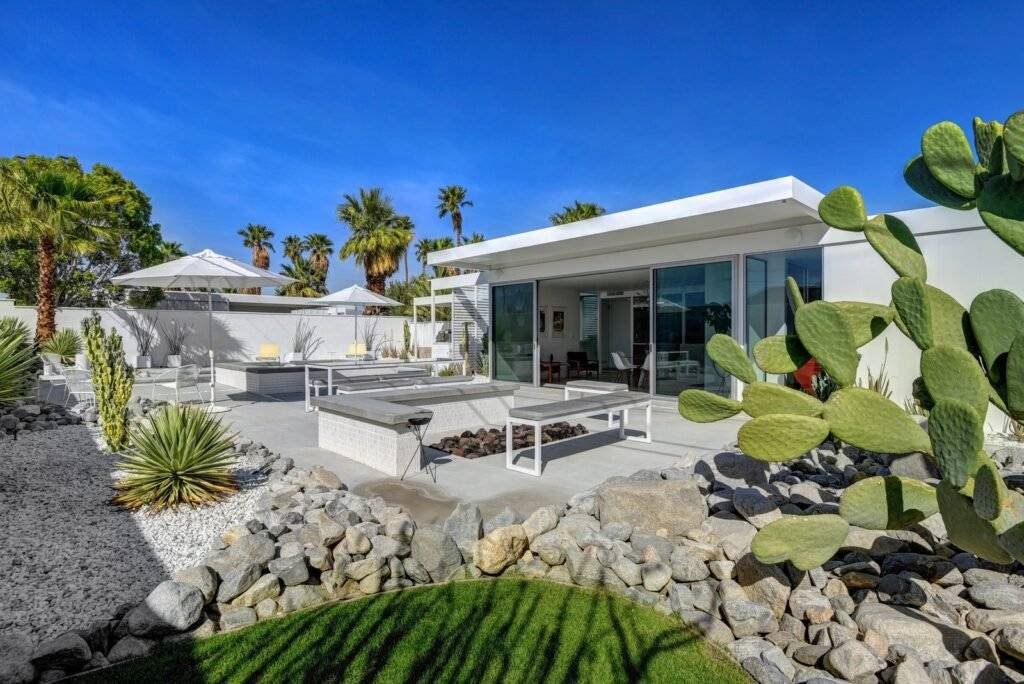
Blurring the boundary between interior and exterior remains the most defining characteristic of Palm Springs home design. Retractable glass walls, continuous flooring materials that extend to covered terraces, and carefully considered sight lines all contribute to this effect.
Materials and Techniques That Add Years to a Remodeled Home
Replacing Materials That No Longer Serve the Home
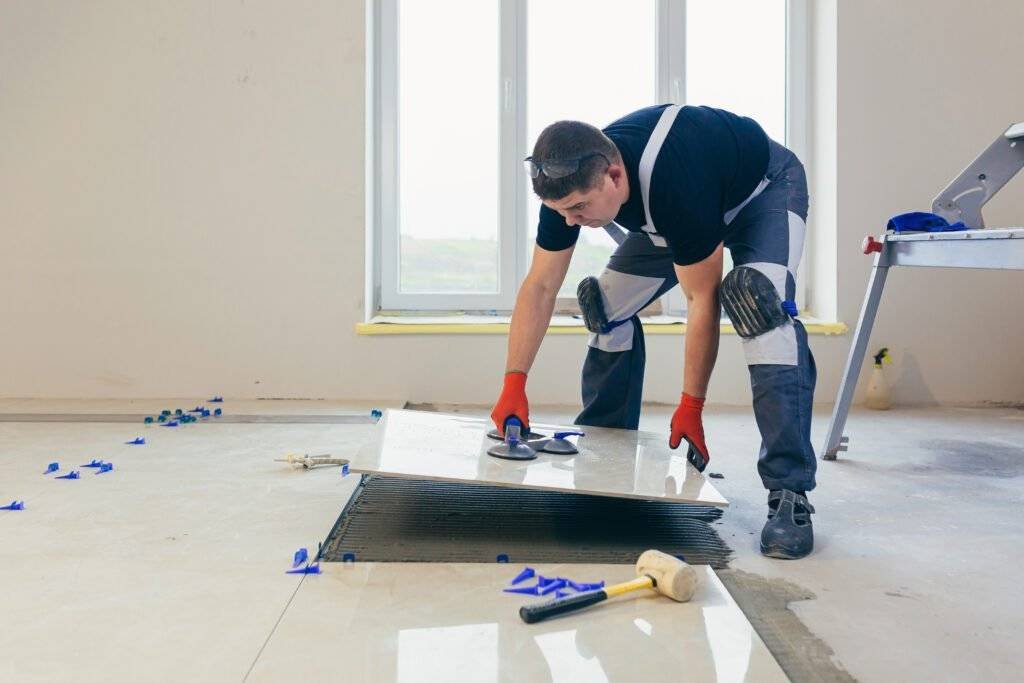
A full-service remodeling project is an opportunity to address materials that have reached the end of their useful life, not just the ones that look dated. Galvanized plumbing lines are replaced with PEX or copper during bathroom and kitchen renovations rather than patched. Original panel sub-panels are upgraded to meet modern load demands while walls are already open.
In kitchen remodels, moisture-resistant MDF or plywood box construction replaces particleboard cabinet carcasses that swell and fail within years in humid conditions. Solid surface and quartz countertops replace laminates not only for appearance but for the waterproof seams they allow at sinks and cooktops.
Construction Methods That Improve Longevity
Waterproofing at all wet area walls and floors goes beyond code minimums in projects where longevity is the standard. Sheet-applied membranes behind tile, properly sloped shower pans, and linear drains with accessible clean-outs address the water management failures responsible for the majority of bathroom remediation work in older homes.
At the exterior, through-wall flashing at all window and door openings, back-wrapped building wrap, and properly detailed control joints in stucco systems prevent the water infiltration that causes wood framing damage behind otherwise intact-looking exteriors.
How an Experienced Design Team Addresses the Long Term
The design decisions that most affect a home’s ten-year and twenty-year performance are made during the planning phase, not visible in the final photographs. Specifying materials with demonstrated long-term performance records, detailing assemblies that address known failure points, and sequencing construction to allow each phase to cure, set, or acclimate properly, these are the habits of a team that has seen what holds and what does not.
Your contractor brings that accumulated knowledge to every project, from the first consultation through the final walkthrough.
Conclusion
The most satisfying remodeling outcomes come from projects where design and construction are fully integrated. Every material decision, spatial move, and finish choice reinforces the others. That kind of coherence does not happen by accident. It is built into the process from day one.