
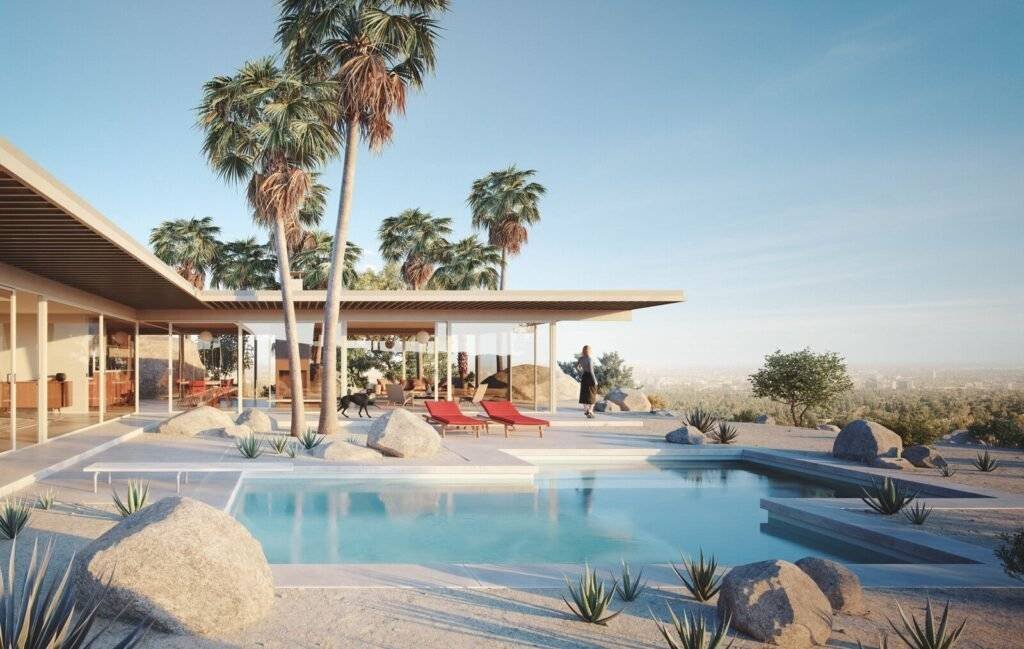
Designing a new home in Palm Springs requires more than following trends. It demands choices that work with the desert climate, intense light, and how people live.
Level 7 Design and Build approaches new home build design Palm Springs residents need with intention. Greg Young guides each project toward spaces that feel purposeful and lasting.
From kitchens built to handle heat to outdoor areas designed for year-round living, today’s new home construction in Palm Springs CA reflects real lifestyles. Not just picture-perfect moments.
This guide explores what shapes modern desert homes and which ideas hold up beyond the initial impression.
Design Direction Shaping Desert Homes
Modern desert minimalism continues to define Palm Springs architecture. Clean lines meet warm textures instead of cold surfaces. Open floor plans now include thoughtful privacy zones rather than endless voids.
Natural materials soften hard edges. Wood tones balance concrete and steel. These choices create warmth without sacrificing the desert aesthetic.
The goal centers on timeless design that breathes. Not trendy statements that age poorly.
Kitchen Design Built for Desert Heat
Flat-panel cabinetry dominates new builds. Heat-resistant finishes prevent warping under extreme temperatures. Large islands anchor the space for both cooking and gathering.
Integrated appliances reduce visual noise. Walk-in pantries replace excessive upper cabinets, improving both function and flow. These choices keep kitchens comfortable and usable.
Smart ventilation systems matter more than decorative range hoods. Performance trumps appearance when temperatures climb.
Bathrooms: Clean Lines Without Cold Spaces
Wet rooms continue gaining ground in Palm Springs. Seamless transitions between shower and floor create spa-like simplicity. Floating vanities improve airflow and ease cleaning.
Earth-tone stone replaces stark white tile. Warm neutrals feel inviting instead of clinical. These materials also hide desert dust better than lighter surfaces.
Thoughtful lighting separates functional bathrooms from sterile ones. Layered sources create depth without glare.
Living Areas Shaped by Natural Light
Clerestory windows bring light without heat. Strategic placement maximizes illumination while maintaining privacy. Large sliders connect indoor spaces to outdoor living.
Furniture zones replace walls for flexible layouts. This approach maintains openness while defining distinct areas. Materials that reflect rather than absorb heat keep spaces comfortable.
Front Elevation: Making Strong First Impressions
Low-profile rooflines define contemporary desert architecture. Textured stucco paired with natural wood accents adds dimension. These combinations create visual interest without complexity.
Entryways designed with shade provide relief before entering. Depth and shadow make facades feel considered rather than flat.
Outdoor Living as Essential Space
Covered patios function as second living rooms. Outdoor kitchens support entertaining without overheating interiors. Fire features balance cooler evenings while water elements moderate daytime heat.
These spaces extend living areas rather than serving as afterthoughts. Strategic design makes outdoor zones usable year-round.
How Your Contractor Aligns Design with Reality
Greg Young checks every design decision against construction feasibility. This approach reduces mid-build changes that delay projects and inflate costs. When design and build coordinate from the start, homes turn out closer to vision.
FAQs
Are open floor plans still popular in Palm Springs?
Yes, but they’re more intentional now. Zones replace empty space for better function.
What design choices reduce cooling costs?
Proper shading, strategic glazing, smart material selection, and layout orientation all impact energy use.
Should trends influence long-term home value?
Only when they align with climate realities and functional needs. Trends without substance don’t hold value.