
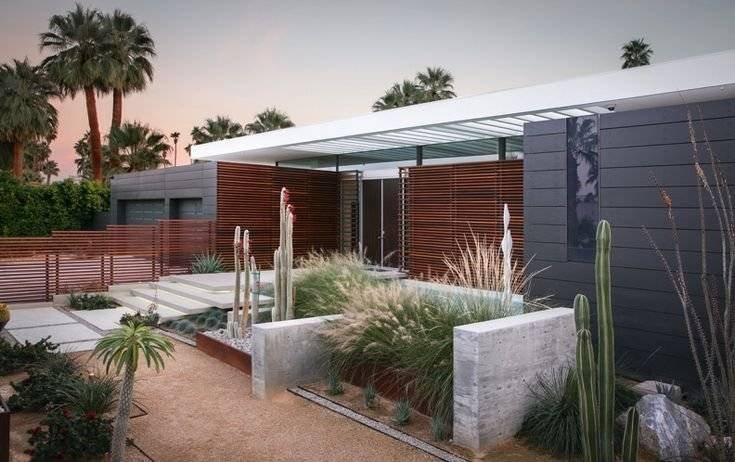
A functional outdoor space in Palm Springs starts long before selecting plants. At Level 7 Design and Build, your contractor treats Palm Springs landscape design as strategic planning. Sun exposure, wind direction, water efficiency, and movement patterns matter more than visual trends.
Whether starting fresh or reworking existing yards, proper landscape design Palm Springs CA homeowners need follows clear steps that prevent expensive revisions.
This guide walks through planning it correctly from the beginning.
Step 1: Understand How Your Property Behaves
Sun Paths and Heat Zones
Track where shadows fall throughout the day. Morning sun differs drastically from afternoon heat. These patterns determine plant survival and usable outdoor areas.
Wind and Drainage
Wind corridors affect plant health and outdoor comfort. Drainage issues cause foundation problems and plant death. Understanding soil composition prevents future headaches.
Step 2: Define Actual Use
Determine whether the space serves entertaining or relaxation. Consider children, pets, and privacy requirements. Seasonal use patterns shape practical design choices.
Most homeowners overestimate how much yard they’ll maintain. Plan for realistic upkeep from day one.
Step 3: Choose Plants for Survival
Native plants adapt to local conditions naturally. Adaptive species handle heat and drought with less intervention. These choices reduce water bills and maintenance time.
Heat tolerance differs from drought tolerance. Some plants survive dry conditions but fail under extreme temperatures. Research both factors before committing.
Consider mature plant size to avoid overcrowding. Young specimens look sparse initially but grow quickly in desert conditions.
Step 4: Select Heat-Reducing Hardscape
Paver selection impacts surface temperature significantly. Light colors reflect heat while dark tones absorb it. Shade structures provide relief in key gathering areas.
Material choices affect usability during peak summer months. Some surfaces become too hot for bare feet even under cover.
Step 5: Plan Irrigation and Lighting Systems
Zone irrigation systems based on plant water needs. Smart controllers adjust for weather and season automatically. This prevents overwatering and saves money.
Lighting serves both safety and atmosphere. Path lights guide movement while accent lights highlight features. Balance function with energy efficiency.
Step 6: Coordinate Landscape with Home Construction
New landscape design in Palm Springs works best when planned during architectural design. Greg Young coordinates both aspects early to ensure cohesion. This prevents conflicts between structure and outdoor spaces.
When your contractor handles both home and landscape, transitions between indoor and outdoor areas flow naturally. Separate contractors often create disconnected results.
FAQs
When should landscape design start during a build?
Ideally during architectural planning. This ensures proper integration and prevents costly changes later.
Is artificial turf practical in Palm Springs?
Sometimes. Placement matters significantly because heat reflection can make surrounding areas unbearable.
How do I keep maintenance manageable?
Design for access, proper spacing, and realistic mature plant sizes. Overplanting creates ongoing problems.
What common mistakes should I avoid?
Choosing plants for appearance over survival, underestimating maintenance needs, and planning landscape after construction finishes.