
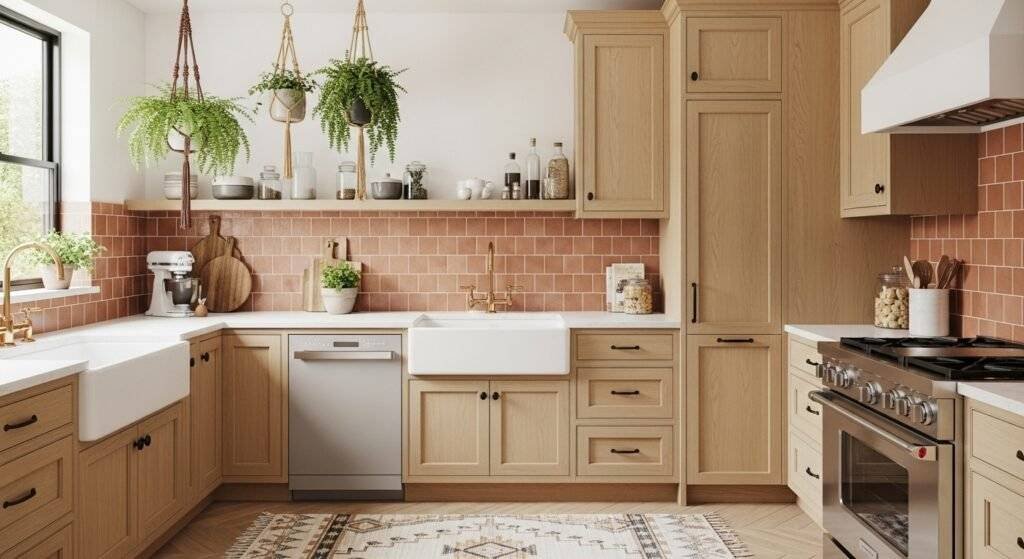
Many homeowners realize their kitchen no longer works long before they decide to remodel. Storage becomes limited. Counter space feels inadequate. Appliances begin to compete for room. These issues are rarely caused by square footage alone.
They result from inefficient layouts, underused vertical space, and storage that was never planned for long-term use.
Kitchen remodel in Palm Springs homeowners’ delay is often more affordable than expected when the focus shifts from expansion to spatial efficiency.
Most functional improvements come from better planning, integrated storage, and thoughtful material choices rather than increasing the footprint.
Why Kitchen Renovation Success Depends on Space Planning, Not Size
Kitchen functionality comes from how you use available space, not how much you have. A 120-square-foot kitchen with proper planning outperforms a 200-square-foot kitchen with poor layout.
Space planning identifies wasted areas, creates usable storage, and improves workflow efficiency. A kitchen remodeling contractor in Palm Springs, CA, evaluates your existing footprint and finds capacity you didn’t know existed.
Effective planning examines traffic patterns, work triangle efficiency, and storage accessibility. It locates dead corners, unused vertical space, and awkward gaps between appliances. These areas represent untapped potential. Converting them into functional storage or workspace transforms kitchen performance without structural expansion.
How Using Vertical Spaces Creates Visual Breathing Room
Most kitchens stop at standard cabinet height, leaving 18 to 24 inches of unused wall space below the ceiling. This wasted vertical area could hold seasonal items, specialty equipment, or bulk storage. Extending cabinetry to the ceiling maximizes storage while creating visual height that makes rooms feel larger.
High ceilings benefit from vertical emphasis. Cabinet panels that reach upward draw eyes along their length, creating perceived spaciousness. Light-colored finishes amplify this effect by reflecting available light and reducing visual weight.
A kitchen renovation and remodeling in Palm Springs approach incorporates ceiling-height storage, floating shelves positioned above work zones, and wall-mounted systems that keep counters clear.
Material choices affect spatial perception. Glossy finishes reflect light and create depth. Matte surfaces absorb light and feel more grounded. Vertical grain patterns elongate walls. Horizontal patterns widen spaces. These subtle design decisions compound to create noticeable spatial effects.
Built-In Storage That Blends Into the Design
Visible clutter makes kitchens feel cramped. Built-in storage hides appliances, utensils, and supplies behind seamless panels. Appliance garages conceal toasters, blenders, and coffee makers when not in use. Pull-out pantry systems fit in narrow spaces between appliances. Toe-kick drawers utilize the dead space below base cabinets.
Effective built-in storage solutions include:
- Appliance garages with tambour doors that disappear into the cabinet body
- Pull-out spice racks installed in narrow gaps beside ranges or refrigerators
- Drawer organizers custom-fitted to utensil dimensions
- Corner cabinet systems with rotating shelves or pull-out mechanisms
- Vertical tray dividers for baking sheets and cutting boards
Integration means storage doesn’t interrupt visual flow. Cabinet faces align flush. Hardware matches across all elements. Panel-ready appliances hide behind cabinetry that matches surrounding units. This continuity creates clean sightlines and reduces visual complexity. A kitchen remodeling contractor in Palm Springs, CA, designs storage that serves a function without announcing its presence.
Appliances That Work Hard Without Taking Over
Full-size appliances dominate small kitchens. Compact alternatives deliver equivalent performance in smaller footprints. European-style refrigerators fit under counters. Combination microwave-convection ovens eliminate the need for separate units. Drawer dishwashers install in base cabinets, preserving counter space above.
Appliance garages contain countertop equipment without sacrificing accessibility. Slide-out shelves bring stored items forward. Lift mechanisms raise mixers and processors to working height, then lower them back into cabinets. These systems keep work surfaces clear while maintaining tool access.
Placement matters as much as selection. Positioning the refrigerator at the kitchen entry prevents traffic through the work zone. Locating the dishwasher near the sink reduces plumbing runs and simplifies the cleanup workflow. Strategic appliance placement improves efficiency and reduces wasted movement.
Islands That Do More Than Divide the Room
Kitchen islands add workspace and storage, but shape determines functionality. Rectangular islands interrupt the flow in narrow kitchens. Curved or rounded designs soften edges and improve circulation. Compact islands with built-in storage, pull-out cutting boards, and wine bottle slots maximize utility in limited space.
Islands become multifunctional when designed intentionally. Built-in wine racks, pull-out trash bins, and hidden outlets transform them into workstations. Seating adds casual dining capacity without requiring separate breakfast areas. Storage integrated into island bases holds cookware, serving pieces, and bulk items.
Scale matters in small kitchens. Oversized islands create bottlenecks and limit movement. Right-sized islands enhance workflow while maintaining clearance for cabinet access and traffic patterns. Minimum recommended clearance is 42 inches on all sides, but 48 inches improves comfort.
Seating That Adds Warmth Without Crowding
Dedicated dining areas consume space that small kitchens can’t spare. Integrated seating solves this through built-in benches, breakfast nooks, or peninsula overhangs. A corner nook with bench seating accommodates four people while occupying less floor area than a freestanding table and chairs.
Banquette seating fits against walls or windows, creating intimate dining zones. Storage builds into the bench base, adding capacity for linens, seasonal items, or kitchen overflow. Cushions and throw pillows introduce texture and warmth. A small dining table or runner grounds the space without overwhelming it.
Peninsula counters with overhangs provide casual seating without dedicated floor space. Bar stools tuck underneath when not in use, preserving circulation paths. This arrangement works well for quick meals, homework, or casual conversation while food prep continues.
Color Choices That Visually Expand the Kitchen
Light colors recede, creating perceived depth. Dark colors advance, reducing spatial perception. Monochromatic palettes eliminate visual breaks that fragment small spaces. All-white kitchens maximize brightness but risk feeling sterile. Off-white, light grey, or warm neutral palettes provide visual interest while maintaining spaciousness.
Strategic dark accents create focal points without overwhelming the space. Dark lower cabinets grounded by light upper cabinets balance visual weight. Black hardware on white cabinetry adds definition and sophistication. Dark countertops contrast with light cabinets, creating layers that add depth.
Color continuity extends beyond cabinetry. Matching wall paint to cabinet color eliminates boundaries and expands perceived size. Coordinating flooring tones with cabinetry creates seamless flow. Even small kitchens feel luxurious when color choices create visual harmony and spatial continuity.
Ready for the Spacious Kitchen Remodel?
A well-planned kitchen performs better without needing more space. When storage is integrated, appliances are scaled correctly, and finishes are selected with intention, the kitchen becomes easier to use and easier to maintain.
If you are considering a kitchen renovation in Palm Springs, working with a team that prioritizes space planning and execution matters.
Level 7 Design and Build delivers kitchen renovation solutions focused on efficiency, durability, and long-term value.